
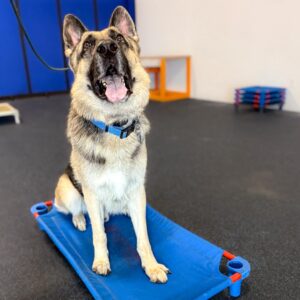
Picture a busy sidewalk, a crowded parking lot, or a narrow path past another dog. In those moments, it helps to have a cue that puts your dog right at your side and keeps them there. If you’re wondering how to teach a dog to heel, this guide breaks the skill into small, rewardable steps.
Heel is not the same as everyday loose-leash walking, and it isn’t meant to last an entire walk. Below, you’ll learn what heel means, how to build it with positive reinforcement, how to fix common problems, and how to use it on Richmond sidewalks without taking away your dog’s chance to sniff and explore.
Key Takeaways
- Heel means walking in a specific position beside your leg, while loose-leash walking only requires slack in the leash.
- Build heel in small steps: position first, then single steps, turns, pace changes, and duration.
- Deliver rewards right at your leg to show your dog exactly where to be.
- Add distractions only after your dog understands heel in quiet places.
- Use heel for short stretches, and give your dog regular sniff breaks.
What Does Heel Mean, and How Is It Different From Loose-Leash Walking?
Heel means your dog walks in a defined position beside your leg, usually with their shoulder near your hip, matching your pace, turns, and stops. Loose-leash walking is more relaxed: your dog can move anywhere within the leash length as long as the leash stays slack. Heel is a precise, short-term cue, while loose-leash walking is everyday walking manners.
In obedience and rally, dogs traditionally heel on the handler’s left side. For everyday life, either side works. What matters is picking one side and staying consistent.
If your main goal is a dog that stops pulling, start with our guide on how to stop a dog from pulling on the leash. This article focuses on teaching the heel position itself.
Before You Start: Timing, Equipment and Rewards
When to Introduce Heel
Puppies can begin simple training around 8 weeks old, in short sessions. Heel goes more smoothly once your dog can give you eye contact and a basic sit, because both help your dog focus and settle into position.
Choosing Equipment
Use a well-fitted flat collar or harness and a standard fixed-length leash. VCA’s veterinary behavior team advises avoiding retractable leashes, which make consistent leash length impossible and can cause friction burns. A treat pouch on your heeling side keeps rewards close.
Selecting Rewards and a Marker
Choose bite-size rewards your dog enjoys. Before using a clicker or marker word during heel practice, pair the sound with a treat several times so your dog learns what it predicts. Then mark successful positioning and promptly reward.

How to Teach a Dog to Heel, Step by Step
To teach a dog to heel, start standing still and reward your dog for being in position beside your leg. Then take one step at a time, rewarding at your leg each time your dog stays with you. Gradually add more steps, turns and pace changes, and add the word “heel” once your dog moves into position reliably.
Step 1: Establish the Starting Position
Begin somewhere quiet and invite your dog beside your chosen leg. If you use food to guide the movement, switch to an empty-hand gesture as your dog learns. Mark correct positioning and feed with the hand nearest your dog. Between rewards, you can hold that hand near your chest rather than leaving food in front of your dog’s nose.
Step 2: Use Reward Placement to Show the Spot
Always deliver the treat right at the seam of your pants, at your dog’s mouth height. Rewarding in position teaches your dog that the best things happen beside your leg. Rewarding in front of you, by contrast, teaches them to drift forward.
Step 3: Take the First Steps Together
Take one step forward. If your dog stays in position, mark and reward at your leg. Repeat until single steps are easy, then try two steps, then three, then five. Stop and reset if your dog moves out of position.
Step 4: Introduce the Verbal Heel Cue
Once your dog moves into position reliably, say “heel” just before you step off. Keep the cue calm and say it once. Over time, the word tells your dog to find your side and stay there.
Step 5: Maintain Attention
Reward often at first, then gradually stretch the gaps between rewards. A cue such as “watch me” can help your dog check in with you as they improve. Short sessions of a few minutes keep focus high.
Step 6: Introduce Turns and Speed Changes
Add gentle turns away from your dog first, then turns toward them, then about-turns. The AKC recommends varying your speed and using turns or zig-zags so your dog learns to stay with you. Try a few slow steps, then normal pace, then a few quicker steps, and reward when your dog adjusts with you.
Step 7: Gradually Increase Duration
Slowly increase the number of steps between rewards, from a few steps to a short stretch of sidewalk. End each heel with a release word so your dog knows they’re free. If you haven’t taught one yet, here’s how to teach a dog a release word.
Adding Distractions After the Basics
Add distractions only after your dog can heel through turns and pace changes in a quiet place. Start with mild challenges at a distance, such as a person walking across the street, and reward generously. Raise only one challenge at a time, and go back a step if your dog loses position.
Trainers often describe this as building duration, distance, and distraction, one at a time. A practical Richmond progression might look like this:
- Your hallway or living room
- Your driveway or backyard
- A quiet residential street in a neighborhood like Bon Air or Glen Allen
- A sidewalk with occasional people and dogs passing
- A busier shopping area, such as a sidewalk in Carytown
Use brief heel stretches in unfamiliar settings. When another dog approaches, leave enough room for your dog to remain comfortable and responsive. Reward beside your leg, then release after passing. If your dog becomes tense, fixates, or lunges, create more space rather than insisting on a close pass.
Formal Heel vs. Casual Walking vs. Off-Leash Heeling
Formal heel is precise: your dog stays in position through turns, stops, and pace changes. It’s useful for crowded sidewalks, crossing parking lots, and passing distractions.
Casual neighborhood walking gives your dog more freedom within the leash length, with a slack leash and time to sniff. Most of a typical walk can be casual.
Advanced off-leash heeling asks your dog to hold the heel position with no leash at all. It requires a dependable heel on leash and a strong recall, and it should only be practiced where off-leash dogs are legal and safe. Our guides to teaching a dog to come when called and training dogs off leash safely cover those foundations.
Why Your Dog Doesn’t Need to Heel the Whole Walk
Heel takes concentration, and few dogs can or should hold it for an entire walk. Use heel for short stretches where control matters, then release your dog to walk casually and sniff. Sniffing gives dogs important mental enrichment and a chance to make their own choices.
The AKC notes that research suggests sniffing may even make dogs feel more optimistic. A good pattern is a short heel past a busy corner, then a release and a sniff break on a quiet stretch.
Troubleshooting Common Heel Problems
- Forging ahead. Your dog may be rewarded too far forward, or you may be moving too fast for their skill level. Deliver every treat at your leg, slow down, and add more frequent turns away from your dog.
- Lagging. Check whether your dog is tired, worried, distracted, or uncomfortable. Reduce the difficulty and use a comfortable pace. Reward staying beside you, but pause if your dog seems fatigued or sore. Discuss new or persistent changes in walking with your veterinarian.
- Drifting sideways. Reward placement may be pulling your dog wide. Practice along a wall or fence so they have less room to swing out, and reward close to your leg.
- Becoming distracted. Increase your distance from the distraction, use better treats, and shorten the heel stretch. Return to an easier setting if needed.
- Confusing heel with loose-leash walking. Use two clearly different cues, such as “heel” for the position and “let’s go” for casual walking, and release your dog every time heel ends. Our article on why dogs pull on the leash explains the loose-leash side.
Final Thoughts
Teaching heel is about showing your dog one clear spot beside you, then building that spot through small steps, smart reward placement, and gradual challenges. Use heel when you need control, and give your dog plenty of time to sniff and enjoy the rest of the walk.
With patience and consistent practice, heel becomes a calm, useful tool for Richmond sidewalks and everyday errands. If you’d like structured help, explore dog obedience training in Richmond, VA.
Contact Us
Want help teaching heel or polishing your dog’s walking skills? Our trainers work with dogs and owners throughout the Richmond area. Call (804) 635-2288 for a free consultation, or send us a message to talk through your dog’s walking goals.
Frequently Asked Questions
How long does it take to teach a dog to heel?
Many dogs learn to find the heel position within a few short sessions, but holding it through turns, pace changes, and distractions takes longer. Training progress varies with age, motivation, and how often you practice. Expect steady improvement over weeks rather than a single training session.
Should my dog heel on the left or right side?
In obedience and rally, dogs traditionally heel on the left. For everyday walks, either side works. Choose one side and use it consistently so your dog knows exactly where to be.
Should my dog heel for the whole walk?
No. Heel takes focus, so use it for short stretches where control matters, such as crossings, crowds, or passing other dogs. Release your dog afterward and give them time to walk casually and sniff.
What’s the difference between heel and loose-leash walking?
Heel is a specific position beside your leg that your dog holds on cue. Loose-leash walking only asks your dog to keep the leash slack while they walk anywhere within its length. Many owners use heel for busy moments and loose-leash walking for the rest of the walk.
Can puppies learn to heel?
Yes. Puppies can begin simple training around 8 weeks old, and short heeling games in a quiet room are a great start. Keep sessions brief and reward often, since young puppies have short attention spans.
