Key Takeaways
Deciding between board and train programs and private dog training lessons comes down to your dog’s needs and your lifestyle. Here is what matters most:
- Board and train offers immersive, daily professional training with your dog staying at a facility for two weeks to four weeks, producing faster results for obedience and behavior modification.
- Private lessons keep your dog at home while you learn alongside them, building handling skills and strengthening your bond through one-on-one sessions.
- When comparing board and train vs private lessons, the better option depends on your dog’s behavior issues, age, temperament, and your time, budget, and willingness to practice between sessions.
- Long-term success in any dog training program depends on what happens after lessons end: consistency, rules, and daily follow-through at home.
- Both formats can achieve reliable obedience when matched correctly to your situation.
Why Choosing Between Board and Train and Private Lessons Matters
Picture this: your dog drags you down the sidewalk, lunges at other dogs, and knocks over guests at the front door. You know professional training could help, but which format actually fits your life?
Board and train for dogs means your dog lives with a dog trainer or at a train facility for a set period, receiving daily structured training. Private dog training lessons are one-on-one sessions where you attend with your dog and learn techniques together under professional guidance.
This article compares both approaches so you can make a confident, informed decision. Neither method is universally best. Both are forms of professional dog training that build reliable obedience and better behavior when used correctly.
Board and Train Programs: What They Are and How They Work
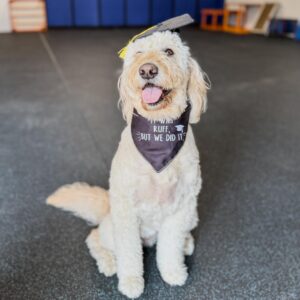
A board and train program means your dog stays at a training facility or with a professional trainer for a set period, commonly two to four weeks. During this time, dogs receive daily structured training in a controlled environment with multiple short sessions throughout the day.
Board and train programs provide an immersive learning environment where dogs receive daily, structured training from professionals, which can lead to accelerated progress, especially for dogs with behavioral challenges or obedience issues. In these programs, dogs are in a consistent, controlled environment 24/7, which enhances learning and helps address specific behavioral issues more effectively than less intensive training methods.
Programs often include multiple training sessions per day, allowing for more repetitions and professional attention than typical weekly lessons. Skills covered typically include heel, sit, down, place, recall, off-leash reliability, and behavior modification for pulling, jumping, or mild to moderate aggression.
Every program should end with a handoff or go-home lesson where the trainer teaches you all commands, leash skills, and maintenance techniques.
Pros of Board and Train Programs
Many busy owners choose board and train programs for these reasons:
- Speed of results: intensive daily practice means faster progress compared to weekly sessions spread over months
- Professional handling: a skilled dog trainer can work through problem behaviors like reactivity, resource guarding, and leash aggression safely
- Structure and routine: dogs get the same clear rules every day, helping nervous or excitable dogs settle and learn
- Convenience for busy owners: the convenience of board and train programs makes them suitable for busy owners lacking time for daily training efforts
- Distraction training: facilities can simulate real-life environments like parks and sidewalks so dogs learn to listen even with other dogs and people around
- Board and train programs can be beneficial for dogs with serious behavioral issues, as they provide an immersive learning experience that can lead to faster results compared to private lessons
Cons and Limitations of Board and Train
No train program is perfect. Understand these trade-offs:
- Dogs trained in board and train programs may struggle to transfer learned behaviors to their owners without follow-up practice
- Some dogs experience stress being away from home, and some owners feel uncomfortable with separation
- Board and train programs typically have a higher cost associated with them, often ranging from two to five thousand dollars
- Owners are less hands-on during initial learning stages, with fewer opportunities to watch early progress
- Quality can vary between programs, so always ask about training methods, daily schedule, and how updates are provided
Private Dog Training Lessons: What They Are and How They Work
Private lessons are one-on-one training sessions where the trainer works directly with both the dog and the owner, allowing for personalized instruction and immediate feedback. Sessions typically last 45 to 90 minutes and occur weekly or every other week at your home, a park, or a training environment.
Training in private lessons occurs in the dog’s home environment, addressing specific problem behaviors where they naturally occur. In private training, you become your dog’s primary trainer day to day, with the professional acting as a coach and problem-solver.
Private sessions work well for puppy manners, foundation obedience, leash skills, reactivity management, or preparation for therapy dog work.
Pros of Private Lessons
Private dog training lessons are often the best choice for owners who want direct involvement:
- Private lessons allow for personalized instruction tailored to both the dog and the handler, focusing on specific behavioral goals while strengthening the bond between the dog and their owner
- Private lessons empower owners by teaching them to read their dog’s body language and build clear communication, which is essential for long-term success in training
- Training in a familiar environment during private lessons helps reduce anxiety for dogs, making it ideal for those that are fearful or anxious
- A study found that 68% of owners feel more connected to their dogs after participating in private lessons
- Private lessons are generally less costly than board and train programs, as they require less of the trainer’s time and do not involve facility costs
- Schedule control: sessions can be booked around work shifts, family activities, or travel
Cons and Limitations of Private Lessons
Private training works very well, but requires commitment:
- Progress is usually slower than an immersive board and train program because lessons are weekly and practice is spread out
- Success in private lessons is highly dependent on the owner’s commitment to daily practice between training sessions
- Complex behavior cases like intense aggression or severe leash reactivity may require more frequent or longer-term work than owners expect
- Busy schedule conflicts, shift work, or unpredictable routines make it hard to maintain daily training
- Some owners feel overwhelmed learning techniques if they have never done structured dog obedience training before
Board and Train vs Private Lessons: Key Differences at a Glance
Here is a high-level comparison to help you quickly see the main contrasts:
- Location: board and train means your dog stays away from home; private lessons happen in your home or local area
- Intensity: board and train provides daily immersion; private lessons occur weekly with homework between sessions
- Owner involvement: low during board and train (high after), high throughout private lessons
- Pace of results: board and train produces faster visible change; private lessons show gradual steady progress
- Cost structure: board and train requires higher upfront investment; private training allows pay-as-you-go flexibility
- Distraction training: board and train exposes dogs to controlled distractions at the facility; private lessons gradually introduce distractions in real environments
- Off-leash reliability: both can achieve it with enough practice and follow-through from owners
Which Dogs Benefit Most From Board and Train?
The right train program depends on behavior, age, temperament, and learning style.
Dogs that typically thrive in board and train include strong leash pullers that drag owners, reactive dogs that bark and lunge, easily overstimulated young adults, and dogs needing structured off-leash control. Confident, adaptable dogs comfortable being handled by new people often do very well.
Immersive professional training helps when safety issues exist, multi-dog households have fights, or owners physically struggle to manage the dog’s size and strength. Puppies can attend, but ask about age requirements and how socialization and crate training will be handled.
Which Dogs Benefit Most From Private Lessons?
Some dogs and families are better served by learning together at home.
Ideal candidates include young puppies needing early socialization, new rescues settling in, moderately pushy adolescent dogs, and dogs with mild reactivity or fear that improves when their owner is present. Very anxious or Velcro-type dogs may progress more smoothly without coping with separation on top of new training.
Owners who enjoy training, want to understand each technique, and like working step-by-step with their dog usually get the most from private training. Common goals well suited to private lessons include polite greetings, loose leash walking, coming when called, and therapy dog preparation.
Behavior Issues Each Option Can Help With
Both board and train programs and private lessons address obedience and behavior problems, but format may change based on severity.
Issues well suited for board and train:
- Leash reactivity and lunging
- Jumping on guests
- Counter surfing
- Resource guarding
- Moderate dog-dog aggression
- Impulse control challenges
Issues well suited for private training:
- House training
- Puppy biting
- Mild separation issues
- Barking at windows
- Basic manners and obedience
- Refining skills around family and visitors
Truly severe aggression or bite histories require careful assessment, a customized plan, and close owner involvement regardless of program type. Schedule a behavior evaluation before deciding so a good trainer can recommend a safe path.
Cost and Time Commitment: What Owners Should Expect
Cost varies by region, trainer experience, and program length.
Board and train programs typically range from two to five thousand dollars for two to four weeks, which includes room, care, and intensive training time. Private lesson pricing usually falls between $50 to $120 per session, with package discounts for 4 to 8 lessons spread over one to three months.
Time commitment comparison:
- Board and train: a large block away from home plus a few follow-up lessons
- Private lessons: regular weekly appointments and daily homework of 10 to 20 minutes
Think about total cost over the life of your dog, not just the initial price. Building owner skills through private lessons can pay off with future dogs in your family.
Owner Involvement and Life After Training
No matter which option you choose, training does not end when the program is over. It begins at that point, as owners must maintain the new standards and behaviors learned by their dogs.
With board and train: attend the go-home lesson, practice commands exactly as taught, keep rules consistent, and attend any included follow-up private sessions.
With private lessons: attend every session, ask questions, practice 10 to 20 minutes daily, and include the whole family in new routines.
Owner involvement in dog training is crucial for long-term success, as the skills learned by the dog require consistent reinforcement and clear communication from the owner. Dogs must practice obedience in multiple places to behave reliably everywhere. Think honestly about your schedule and energy so you choose a path where you can realistically maintain your dog’s training.
How to Decide Between Board and Train and Private Lessons
Use this simple decision framework:
- Assess your dog’s current behavior: safety risks, stress level, age, and previous training history
- Consider your lifestyle: work hours, family obligations, physical ability to handle the dog, and willingness to practice daily
- Define your training goals: basic manners, off-leash control, behavior modification, or advanced skills
- Choosing between board and train or private lessons depends on factors such as the owner’s schedule and the severity of the dog’s behavioral issues
- Choosing the right training method for your dog depends on several key factors, including your available time, commitment level, and your dog’s specific behavioral needs
If unsure, schedule an evaluation lesson where a professional can recommend the most effective train program for your specific situation.
Frequently Asked Questions
These questions cover common concerns that may not have been fully answered above.
Is board and train worth it for a dog that has already done some basic training?
Board and train can still be valuable for dogs with a basic foundation who need higher-level obedience, distraction-proofing, or off-leash control. A prior base of commands allows the trainer to move more quickly into advanced work. Share any past training history, cues, and tools used so the trainer can build on what your dog already understands.
Can I combine board and train with private lessons for the same dog?
Many owners choose a blended plan: starting with a board and train program for a jumpstart, then following up with private lessons to refine skills at home. This combination works especially well for complex behavior cases or dogs in busy environments. Ask your trainer to map out a full timeline including the immersive phase, handoff, and several weeks of private support.
How old should my dog be to start either type of training?
Puppies can typically start private lessons as early as 8 to 10 weeks for basic manners and socialization guidance. Many board and train programs have minimum age requirements around 4 to 6 months. There is no upper age limit for professional dog training, and adult and senior dogs often benefit greatly from a clear, consistent program.
Will my dog remember me after a 2 to 4 week board and train?
Dogs do not forget their families during a standard-length board and train program, even if they take a day or two to settle back in. Bring familiar items like a blanket if allowed, and attend the go-home lesson ready to reconnect through calm affection and clear structure. Continuing the same commands at home quickly re-strengthens the bond.
What if multiple people in my household handle the dog?
In both board and train and private lessons, all primary handlers should learn the same cues, rules, and handling techniques. Schedule at least one follow-up session where the whole family can attend and practice together. Consistency across family members is one of the most important factors in keeping training reliable in daily life.
Choosing the Training Path That Fits Your Life
Both board and train programs and private dog training lessons can be effective, but they cater to different needs and preferences, making it essential to consider your dog’s unique needs and your lifestyle before making a decision. Consider your dog’s temperament, behavior issues, and your own schedule and learning style.
The key to successful dog training is consistency and patience, regardless of the method chosen, and it is crucial to select a reputable trainer or facility that aligns with your goals and values. Do not wait for problems to grow worse. Early training almost always leads to faster, easier results.
Explore local professional dog training options, ask questions, and schedule an evaluation to find the right train program for your dog. With the right plan and follow-through, most dogs can achieve reliable, distraction-proof obedience.
