

Your dog spots the leash and starts spinning, or a guest knocks and four paws hit the door at once. Knowing how to teach a dog to sit gives you a simple, calm behavior to ask for in exactly those moments. Sit is usually one of the first cues a dog learns, and it works for young puppies, grown dogs, and newly adopted dogs alike.
This guide covers two reward-based methods, when to add the word “sit,” how to phase out food prompts, and how to make the behavior hold up on Richmond neighborhood walks and at your front door. It also explains common mistakes and why some dogs find sitting harder than others.
Key Takeaways
- Sit gives your dog a calm alternative to jumping, rushing doors, or pulling.
- Teach it with treat luring or capturing, and never push your dog into position.
- Add the word “sit” only after your dog moves into position reliably.
- Build reliability with short sessions, adding one challenge at a time.
- A dog who avoids sitting or sits awkwardly may be uncomfortable, so check with your vet.
Why Sit Is a Useful Foundation Command
Sit is easy for most dogs to learn, easy to reward, and useful many times a day. It gives your dog a clear, calm alternative to jumping, rushing through doors, or pulling toward distractions. It also becomes the starting point for later skills such as stay and polite greetings.
Puppies
For a puppy, sit is often the first lesson in self-control. Asking for a sit before meals, play, or going outside teaches a young dog that calm behavior earns good things.
Adult Dogs
Adult dogs can learn sit at any age. For a grown dog with habits like jumping on people, a reliable sit gives you something specific to reward instead of only reacting to what you don’t want.
Newly Adopted Dogs
A newly adopted dog is adjusting to a new home, new people, and new routines. Short, upbeat sit sessions are a low-pressure way to build trust and communication during those first weeks.
Before You Start: Timing, Rewards and a Quiet Spot
When to Begin
Puppies can start very simple training as soon as they come home, usually around 8 weeks old, in brief sessions. Adult and newly adopted dogs can start once they seem relaxed in their new surroundings.
Choosing Rewards
Use small, soft treats your dog can eat quickly. Some dogs work happily for their regular food at home but need something more exciting outdoors. Reward-based training is what the American Veterinary Society of Animal Behavior recommends for all dog training.
Picking a Quiet Training Area
Start indoors in a familiar room without other pets, children running past, or a loud TV. New behaviors are easiest to learn in quiet, familiar places where your dog can focus. A rug helps dogs who slide on hard floors.
Using a Marker Word or Clicker
Choose a brief marker word or use a clicker. Before practicing sit, pair that sound with a treat several times so your dog learns what it predicts. During training, mark as your dog’s rear reaches the floor, then promptly reward.
How to Teach a Dog to Sit, Step by Step
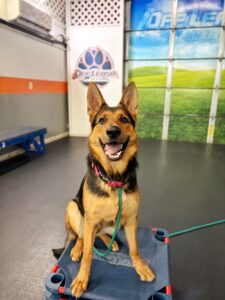
To teach a dog to sit, hold a treat at their nose and slowly move it up and back over their head. As their rear lowers to the floor, mark the moment and reward. You can also capture sits your dog offers on their own. Add the word “sit” once the movement is reliable.
Method 1: Treat Luring
- Stand or kneel in front of your dog with a treat right at their nose.
- Slowly move the treat up and slightly back over their head. As the nose follows, the rear naturally lowers.
- The moment the rear touches the floor, say your marker and give the treat while your dog is still sitting.
- Reset by tossing a treat a few feet away, then repeat.
- If your dog jumps, keep the treat closer to the nose. If your dog backs up, try practicing in a hallway.
Method 2: Capturing
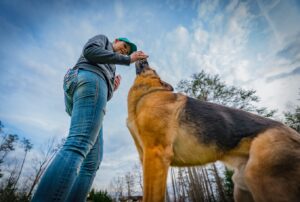
Capturing suits dogs who get overexcited by food in your hand. Keep treats handy and simply wait. Each time your dog sits on their own, mark and reward.
Once your dog starts offering sits on purpose, begin saying “sit” right as they start to sit.
Adding the Verbal Cue
Wait to add the word until your dog moves into a sit reliably. Otherwise, “sit” may get paired with standing, sniffing or jumping. With luring, add the word right before your hand signal once the signal is reliable.
Say “sit” once, pause briefly, then give the hand signal. Over time, the word alone starts to work.
Gradually Reducing Food Prompts
Fade the lure first, then how often you use food:
- After several successful lured sits, make the same motion with an empty hand and reward from your other hand. That motion becomes your hand signal.
- Make the hand signal smaller over several sessions.
- Once your dog sits on the word alone, reward some sits with food and others with praise, a toy, a walk or an opened door.
Go back to frequent food rewards whenever you move somewhere harder.
Building a Reliable Sit: Short Sessions and Everyday Distractions
A reliable sit comes from many short, successful repetitions followed by slowly harder practice. Train for a few minutes at a time, and raise only one challenge at once: how long your dog holds the sit, how far away you are, or what’s happening around you.
Trainers call these duration, distance, and distraction. Best Friends Animal Society recommends changing only one variable per session. If your dog struggles, make the next repetition easier instead of repeating the cue.
Move through new places in order: other rooms, the backyard, the driveway, a quiet street, then busier spots.
Neighborhood Walks
Ask for a sit at the curb before crossing. Practice first on a quiet street in Bon Air before trying a busier block in Carytown, and reward generously.
Greeting Visitors
Practice door sits with a family member knocking before real guests arrive. Reward the sit, then let your dog say hello once they’re calm. Our guide to dogs who get overexcited when guests arrive covers door manners in more detail.
Everyday Routines
Daily life offers plenty of free practice. Ohio State’s Indoor Pet Initiative suggests asking for a sit before meals, before going in or out the door, and before petting. You can also ask for one before clipping on the leash or loading into the car. For ways to keep skills from slipping over time, read about maintaining obedience in dogs.
Common Mistakes When Teaching Sit
- Repeating the cue. “Sit, sit, SIT” teaches your dog that the first two don’t count. Say it once. If nothing happens, help with your hand signal or make the setting easier.
- Pushing your dog into position. The AKC advises against pushing down your dog’s hind end because it can be intimidating and confusing. Pressure can also hurt a dog with sore hips or a sore back.
- Practicing somewhere too distracting. Asking for a brand-new skill at a busy park sets your dog up to fail. Return to a quieter spot and build up gradually.
- Reward timing. Mark the sit as it happens and offer the treat while your dog remains seated. A well-established marker identifies the correct moment even if delivery takes a little longer, but consistently feeding after your dog stands can encourage popping back up.
- Holding the lure too high. A treat lifted too far makes many dogs jump. Keep it close to the nose.
Why Some Dogs Struggle to Sit
Some dogs struggle to sit because it’s physically uncomfortable, not because they’re stubborn. Joint or back pain, limited mobility, slippery floors, and a stressful setting can all make sitting harder. If your dog avoids sitting or sits awkwardly, talk with your veterinarian before pushing the training further.
Discomfort and Pain
VCA Animal Hospitals lists reluctance to sit when asked and a “lazy sit” with the legs off to one side among possible signs of pain. Difficulty easing into a sit or avoiding slippery floors can also point to discomfort. A vet exam is the right first step if you notice any of these.
Mobility Limits
Older dogs and dogs recovering from injury may need adjustments based on veterinary advice. If standing or sitting appears difficult, pause sit practice and consult your veterinarian. For a comfortable dog who simply does not understand the movement, try gradually luring a sit from a lying position.
The Training Environment
A dog who sits easily in the kitchen may not sit on a busy sidewalk. Excitement, stress or fear can make a familiar cue hard to follow. This does not necessarily mean your dog has forgotten it, so move farther from the distraction and reward smaller successes.
How Sit Differs From Stay, Down and Advanced Obedience
Sit is a single position. Other skills build on it or teach something new:
- Stay asks your dog to hold a position until released. The AKC builds stay by adding duration first, then distractions and distance, along with a release word. Our article on how to teach a dog a release word covers that piece.
- Down is a separate position with its own cue. Teach it on its own rather than pressing your dog down from a sit.
- Advanced obedience adds longer holds, more distance and real-world distractions. If you’d like help taking the basics further, explore dog obedience training in Richmond, VA.
Final Thoughts
A good sit comes from many short, rewarding sessions, not one perfect one. Lure or capture the behavior, add the cue once the movement is reliable, then fade food prompts and practice in slowly busier places. Watch for signs of discomfort and adjust for your dog.
With patience and consistent practice, sit becomes a behavior you can use on walks, at the door and throughout your day. If you’d like structured support, our Richmond obedience training can help you build that foundation.
Contact Us
Want help teaching sit or building on it? Our trainers work with dogs and owners throughout the Richmond area. Call (804) 635-2288 for a free consultation, or send us a message to talk through your dog’s age, routine and goals.
Frequently Asked Questions
How long does it take to teach a dog to sit?
Many dogs learn the basic movement within a few short sessions, but a reliable sit in new places takes longer. Training progress varies with age, motivation, and how often you practice. Short, frequent sessions and gradual distraction work matter more than any single long session.
What age can a puppy start learning to sit?
Puppies can begin simple training as soon as they come home, usually around 8 weeks old. Keep sessions brief and use small, soft treats. Sit is often one of the first cues puppies learn.
What should I do if my dog won’t sit?
Make the setting easier by moving somewhere quieter and using a more valuable treat. Keep the lure close to the nose and say the cue only once. If your dog seems reluctant or sits awkwardly, ask your veterinarian to check for pain, since reluctance to sit can be a sign of discomfort.
Will I need to use treats forever?
No. Once your dog sits on the verbal cue, you can reward some sits with food and others with praise, play or access to something they want. Keep food rewards handy when practicing in new or distracting places.
Can older or newly adopted dogs learn to sit?
Yes. Dogs can learn sit at any age, and short, rewarding sessions can help a newly adopted dog settle into a new home. For older dogs, practice on a soft surface, keep sessions brief, and watch for stiffness or signs of pain.
