
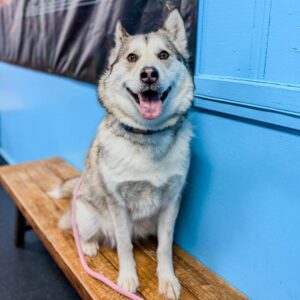
You ask your dog to sit, and they pop up the moment you look away. Sound familiar? Dog release word training can help. A simple release cue tells your dog when a behavior is over, which makes cues like stay, wait, and place much clearer.
It is a small habit that can make your daily routines calmer and more predictable.
What Is a Release Word?
A release word is a cue that tells your dog, “You are free to move.” It ends a behavior such as sit, down, stay, wait, or place.
Without it, your dog has to guess when the job is done. With it, the rules are clear. When taught consistently, a release cue helps your dog understand when they can stop holding a position or begin moving.
Why a Release Word Matters
A good release cue can help in many ways:
- Clear communication. Your dog knows when to hold and when to move.
- Better impulse control. Dogs learn to wait for permission.
- Safer routines. It helps at doors, car exits, and street crossings.
- More reliable stays. Your dog learns that stays end with a cue, not with movement or a look.
- Calmer homes. Meals, greetings, and play become more structured.

Common Release Words
You can use almost any word, as long as you use it consistently. Popular options include:
- “Okay”
- “Free”
- “Break”
- “Release”
- “All done”
Choose a word you do not use often in normal conversation. Many owners say “okay” all day, which can lead to accidental releases. A less common word, like “free,” may be easier to keep clear.
Everyone in the household should use the same word. This guide to teaching the stay also covers how release cues fit into stay training.
Dog Release Word Training: Step by Step
Start in a quiet room with small, easy treats.
Step 1: Pick Your Word
Choose one release word and stick with it.
Step 2: Ask for a Simple Behavior
Ask your dog to sit or lie down. Wait a second or two while your dog holds the position.
Step 3: Say the Release Word
Say your word in a happy, upbeat voice. Then encourage your dog to move, such as stepping toward you or tossing a treat a short distance away.
Step 4: Reward the Movement
Give praise or a treat as your dog moves. This helps your dog connect the word with permission to move.
Step 5: Repeat Often
Practice a few times in each session. Keep sessions short and positive.
Step 6: Add Time Slowly
Once your dog understands, wait a little longer before releasing. Build time in small steps so your dog can succeed.
Step 7: Add Distance and Distractions
Take a step away, then return and release. Later, add mild distractions. Make one thing harder at a time.

How to Use a Release Word in Daily Life
Once your dog understands the word, use it in everyday routines.
With Stay
During early practice, return to your dog before giving the release cue. Once your dog understands the exercise, you can gradually introduce other release routines.
With Place
Send your dog to a mat or bed. Reward calm time there, then release when you are ready.
At Doors
Ask for a sit or wait before the door opens. Give the release cue only when it is safe for your dog to move through the doorway. Keep your dog securely leashed when necessary. This wait cue guide shows how release cues work at doorways and car doors.
At Meals
Ask your dog to wait while you set down the bowl. Release them to eat once the bowl is down.
During Everyday Routines
Use it when your dog gets out of the crate, hops off the couch on cue, or ends a short training session.
Mistakes to Avoid
- Using different release words on different days
- Releasing too soon because you are in a rush
- Saying the word in normal conversation
- Releasing with a treat toss before the cue
- Adding too much duration, distance, or distraction at once
- Repeating the release word several times
If your dog breaks early, calmly reset and make the next try easier.
When Professional Help May Be Useful
Reach out to a qualified trainer if:
- Your dog struggles to hold any position
- Your dog gets extremely excited or tense around doors or food
- Practice at home is not helping
- You are unsure how to build impulse control safely
If you notice sudden changes in behavior, discomfort, or stress, check in with your veterinarian as well.
Get Support for Calmer Manners at Home
Simple cues like a release word can make daily life smoother. If you need help building consistent obedience and calmer household manners, explore our dog obedience training in Richmond, VA. Our training team can help you choose an approach based on your dog’s needs.
FAQs
Do I Really Need a Release Word?
It is not required, but it can make training clearer. A release word shows your dog exactly when a behavior is finished. Many owners find it helpful for stays, doors, and meals.
What Is the Best Release Word for Dogs?
There is no single best word. Choose one that is easy to say and that you do not use often in conversation. Consistency matters more than the word itself.
Can I Teach a Release Word to an Older Dog?
Yes. Dogs of many ages can learn new cues with patience and short, positive sessions. Start with simple behaviors and build gradually.
What if My Dog Breaks the Stay Before I Release?
Stay calm and reset your dog without scolding. Make the next try shorter or easier, then reward success. Gradual practice helps your dog learn to wait.
